

- Home
- Sustainability
Responsible Apparel Manufacturing & Project Compliance
All-Category OEM/ODM Apparel Manufacturing in China
YIDI is an OEM/ODM apparel manufacturer in Humen, Dongguan, supporting private label projects across clothing categories. Responsible sourcing starts with the requirements for each product: fabric composition, performance, destination market and the evidence needed to support any claim.
Factory social audits, material certification and product testing address different questions. None should be treated as a guarantee that every YIDI garment is certified.
From Material Selection to Production Planning

Project Requirements
Define the garment category, intended market, technical specification and required evidence before production.

Material Selection
Compare fabric composition, performance and available supplier documentation for your specific order.

Evidence for Brand Claims
Support organic, recycled and testing claims with documents that match the product, entity, site and period.
Define Compliance for Your Apparel Project
For each OEM/ODM project, define the intended market, product category, material specification and labeling requirements before sampling. Agree which supplier documents, factory audit records or independent tests are required, who will provide them, and when they must be checked.
A supplier certificate does not automatically certify our sewing facility or a finished garment. Packaging EPR obligations depend on the destination market and the responsible economic operator; they must be assessed for the specific project.
Fabric Options: Composition, Performance & Documentation
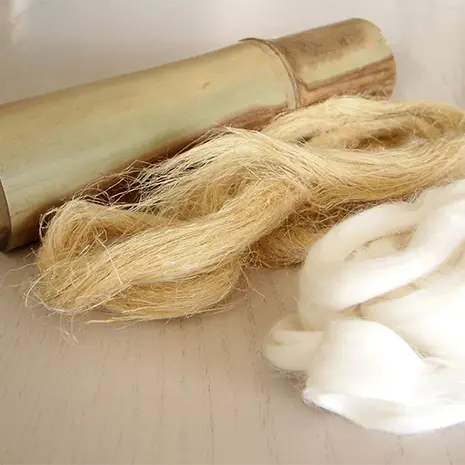
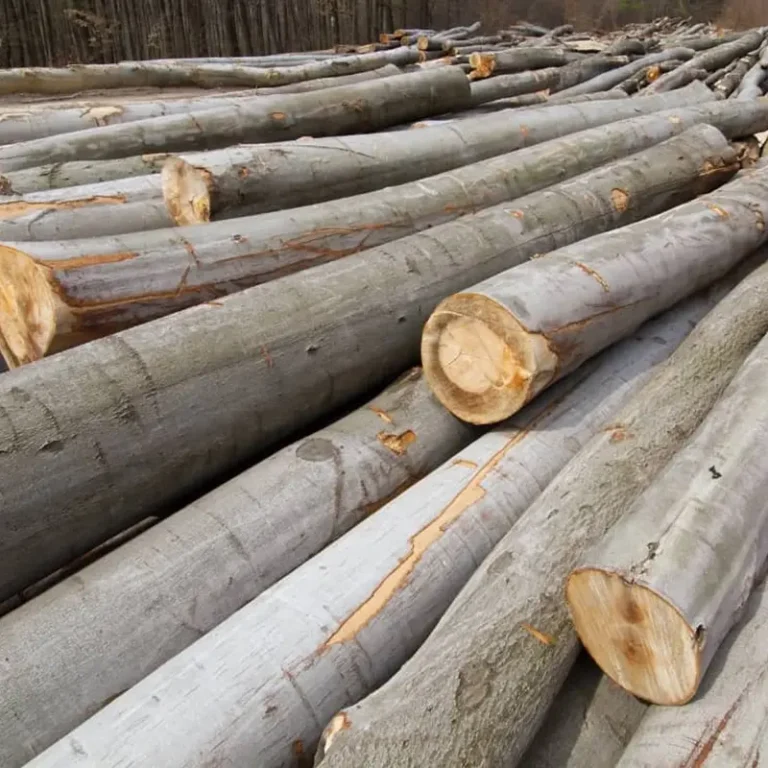
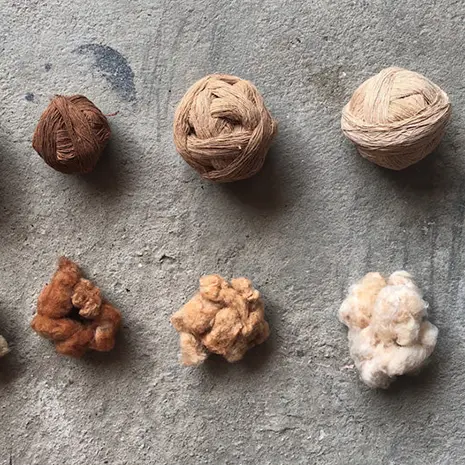
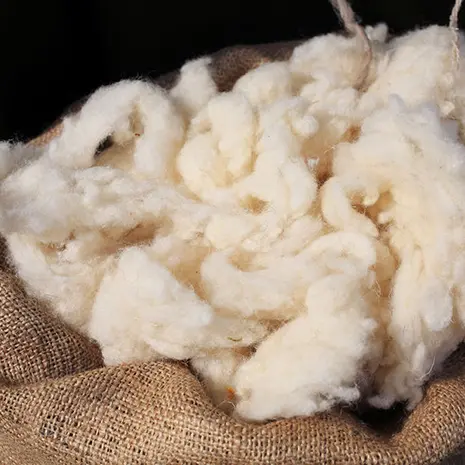
Recycled polyester, cotton, hemp, regenerated cellulosic fibers and other blends can be considered against your design and performance requirements. The examples below illustrate material discussions; availability, composition, origin and supporting certification must be confirmed for the selected supplier and order.
Fiber names alone do not establish organic content, recycled percentage, biodegradability or a lower environmental impact. Request evidence for the actual material and avoid broad environmental claims without product-specific support.
Confirm fabric composition, care requirements and intended use during sampling. Where a brand needs an organic, recycled or tested-material claim, agree the applicable standard, certified entity, product scope and order documentation before approving labels or marketing copy.
Discuss project-specific requirements during production planning and confirm the agreed details through the sample review process.
Factory Audit History & Certificate Scope
amfori BSCI Social Audit — 2026
Dongguan Yidi Clothing Co., Ltd. underwent an amfori BSCI social audit conducted by LRQA on August 11, 2026. The monitoring summary report records an overall rating of C. It was submitted on August 18, 2026, and lists an expiration date of August 18, 2027.
Monitoring ID: 26-0424518
Company amfori ID: 156-072481-000
Site amfori ID: 156-072481-001
This is a social audit record, not a product quality or material safety certification. Full findings should be reviewed through the amfori Sustainability Platform.
A bluesign system-partner letter dated 11 January 2022 is also retained as historical documentation; it does not establish current partner status or certification of every product.
GOTS: Organic Textile Scope
For a project requesting GOTS-certified textiles, check the current scope certificate, legal entity, site, covered products and processing activities. Confirm any transaction certificate required for the order and the rules governing labels and claims.
The retained historical GOTS document relates to fabrics, fibers and yarns, with a stated validity ending in July 2016. It does not establish current YIDI garment certification or 100% organic cotton content. Current scope and the relationship of the named site must be confirmed before a certified-product claim is made.
GRS: Recycled Content & Order Traceability
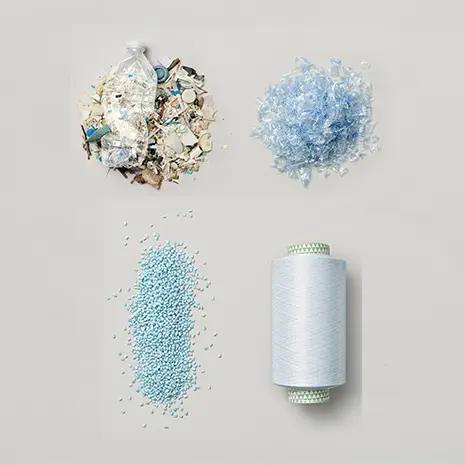
For recycled-material projects, confirm the recycled content, the certified supplier and the activities covered by a current GRS scope certificate. A scope certificate describes certified operations; an applicable transaction certificate relates to a specific shipment or transaction.
A logo alone is not evidence that a fabric, finished garment or YIDI factory is certified. GRS status and order documentation must be checked before using a certified recycled-content claim.
OEKO-TEX STANDARD 100: Defined Product Testing
OEKO-TEX STANDARD 100 assesses the harmful-substance requirements for the products listed in a certificate. Check the holder, certificate number, product class, validity and exact material or article scope for the item being sourced.
The retained historical document covers knitted mattress fabrics and states validity through 30 April 2026. It does not establish current certification of YIDI apparel. Finished-garment testing, factory social audits and material certification are separate; no blanket claim of zero harmful chemicals is made.