





Embroidery vs Printing: Which Is Better for Custom Clothing?
A logo can look premium on a sample and still become the reason a buyer refuses a bulk order. I have seen clean artwork turn into puckered embroidery, cracked print, or a stiff chest panel because the decoration method did not match the fabric, MOQ, or retail position. So before you approve the first sample, which method is actually better for your custom clothing?
Are you making uniforms, streetwear, caps, hoodies, dresses, kidswear, or activewear? Is your buyer paying for a premium brand detail or a bold graphic statement? Will the garment survive washing, packing pressure, stretch, and real customer use?
The Short Answer for Clothing Brands
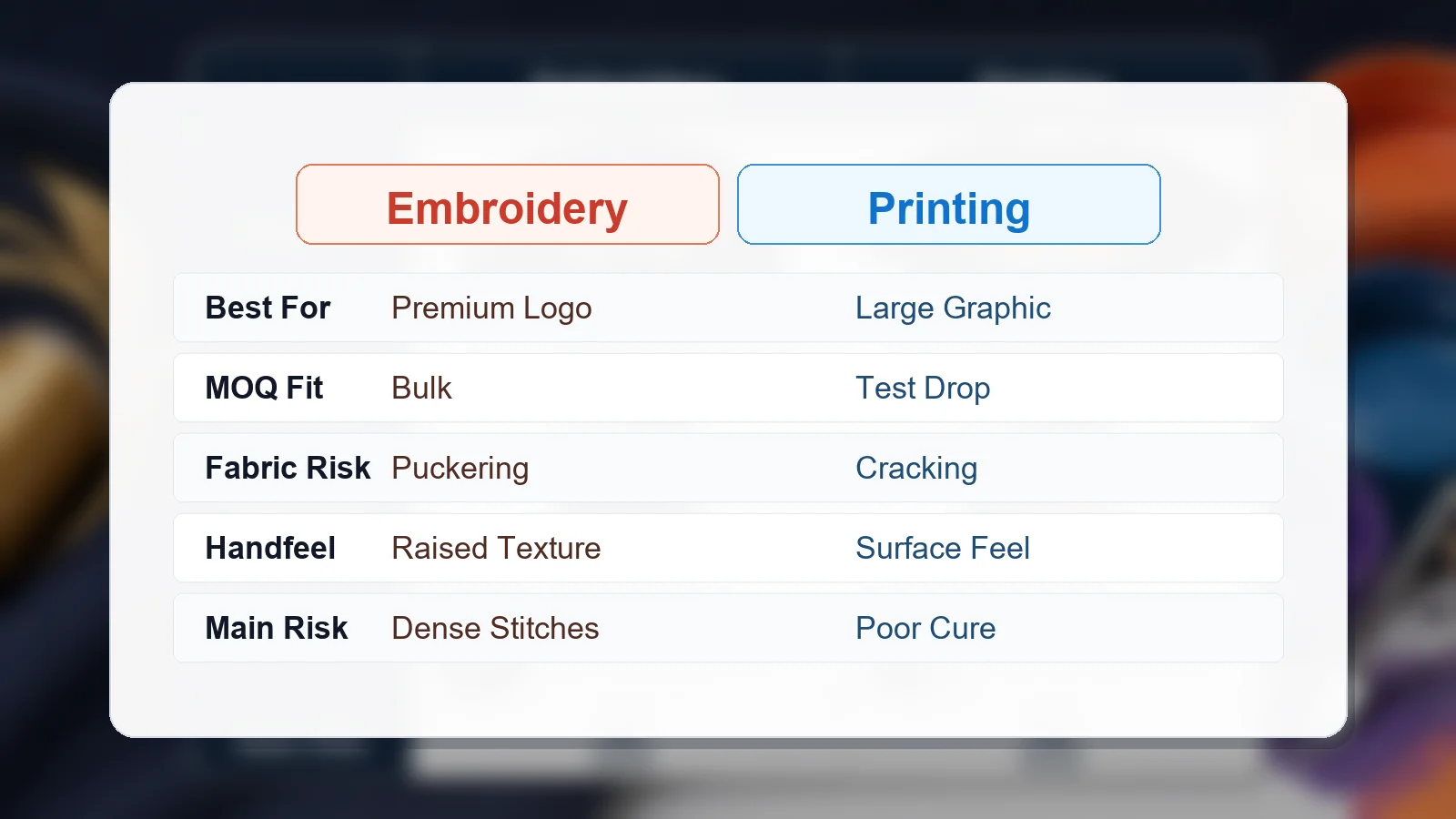
Embroidery is usually better for premium logos, uniforms, caps, polos, jackets, structured denim, and designs that need texture and long-term brand value. Printing is usually better for large artwork, gradients, photo-style graphics, lightweight garments, low-cost promotional products, and designs with many colors.
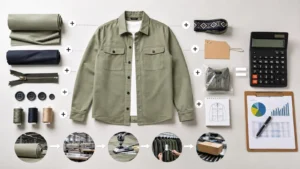
That answer sounds simple, but the factory decision is rarely that neat. The right choice depends on fabric GSM, stretch, stitch count, backing, thread type, print area, ink or transfer method, artwork detail, MOQ, target retail price, and washing expectations. YIDI Apparel normally reviews the garment and decoration together, not as two separate decisions.
A decoration method is part of garment engineering, not just branding. If the logo makes the garment uncomfortable, distorted, or costly to inspect, the buyer will not care that the artwork looked good on screen.
Once the basic difference is clear, the next useful step is to understand what embroidery does well in real production.
Embroidery: Best When the Brand Detail Needs Texture and Longevity
Embroidery uses stitches to build the design with thread. That physical structure gives the logo depth, texture, and a premium feel. It is why embroidery is common on uniforms, polos, workwear, caps, denim jackets, fleece, varsity pieces, and brand patches.
In my experience, embroidery works best when the artwork is compact, the fabric can support needle penetration, and the brand wants a durable detail rather than a large full-front graphic. It can make a garment feel more expensive, especially when the stitch density, thread sheen, and placement are controlled.
Where Embroidery Wins
Embroidery wins on perceived value, small logos, long wear life, textured branding, and structured garments. It can be a smart choice for B2B uniforms because buyers often expect the logo to survive repeated washing and daily use.
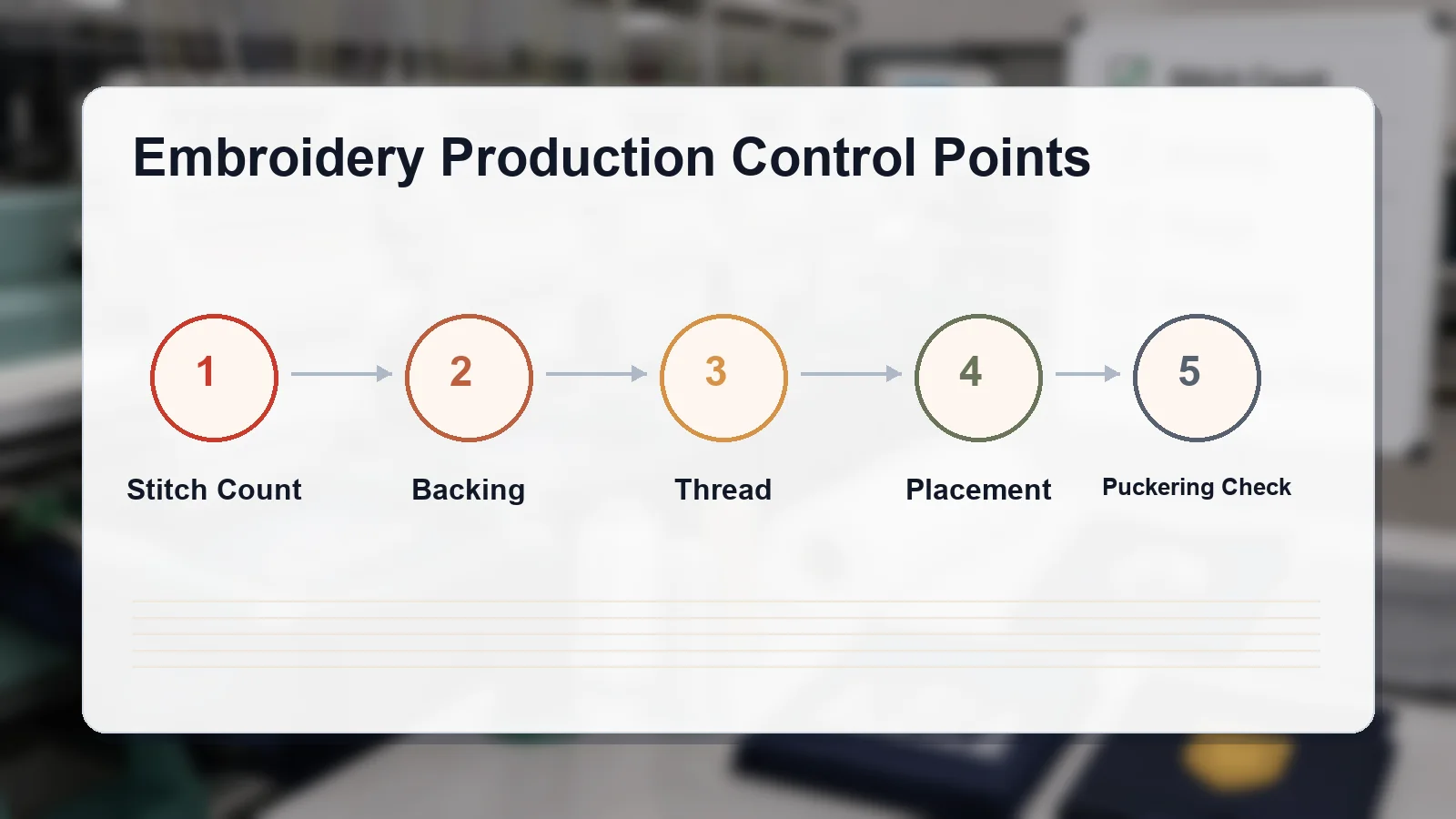
The risk is distortion. Thin fabric, stretch fabric, rib, lightweight jersey, and high-stitch logos can pucker. Small letters can close up. Dense stitch areas can feel heavy. Thread selection and backing matter. Technical references from thread suppliers such as Madeira’s embroidery thread resources show why thread, backing, and application conditions are not afterthoughts.
Embroidery gives texture and durability, but not every brand message should be stitched. Some designs need the flexibility that printing gives.
Printing: Better for Large Graphics, Color Detail, and Lightweight Garments
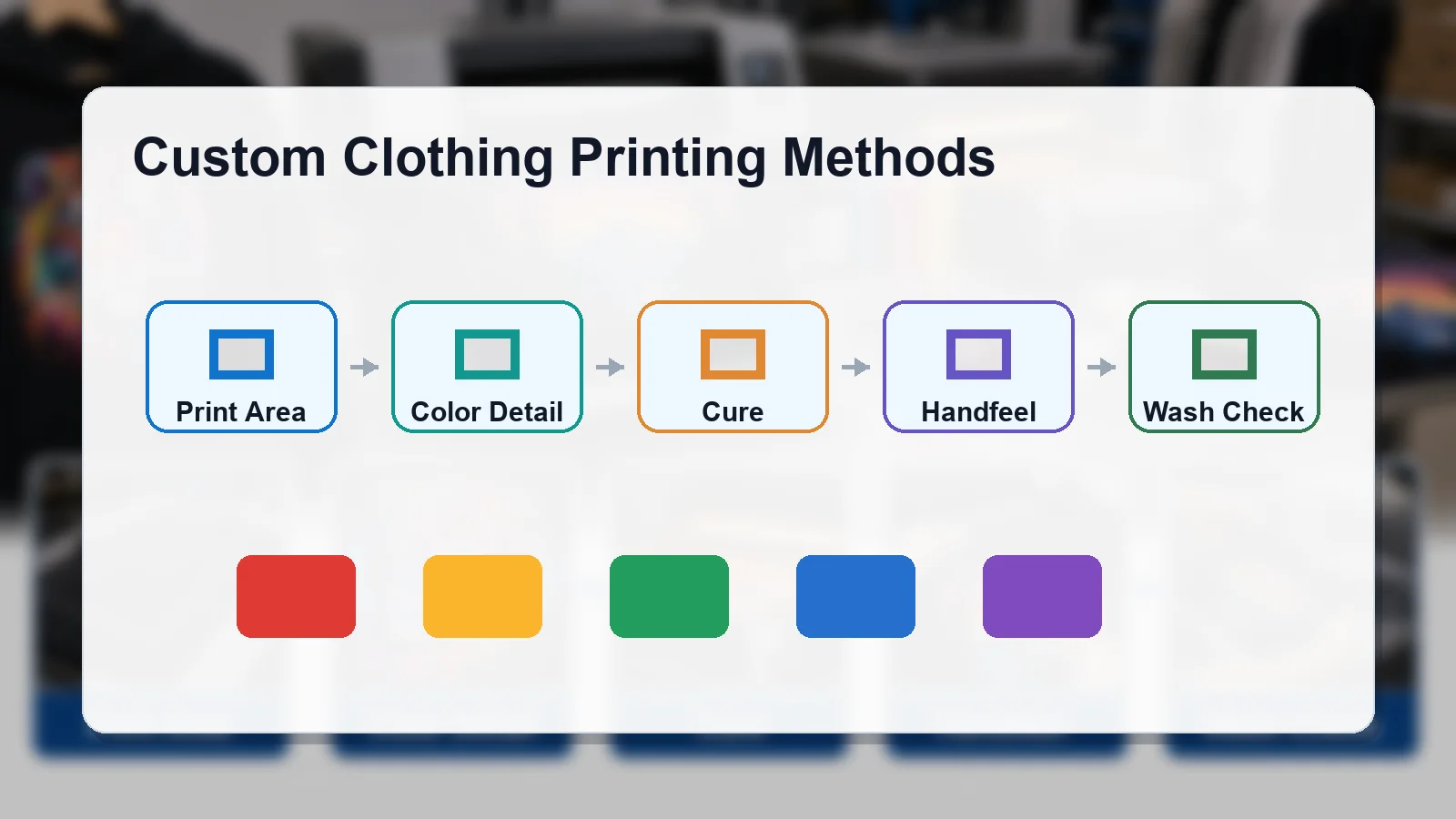
Printing puts artwork on the garment surface through screen printing, DTG, DTF, sublimation, heat transfer, or other print processes. The best printing method depends on artwork, fabric, quantity, and handfeel target. A large full-color illustration usually belongs in a print discussion before it belongs in an embroidery discussion.
I have seen founders try to embroider complex artwork because they thought embroidery always meant premium. The result was expensive, stiff, and hard to read. A well-controlled print would have protected the design better and reduced cost.
Where Printing Wins
Printing wins when the artwork is large, colorful, detailed, soft, seasonal, or price sensitive. It is usually better for T-shirts, lightweight hoodies, event products, fashion graphics, and small test drops with many color variations. FESPA’s article on screen printing and digital printing is useful for understanding why print process choice changes with quantity and artwork.
Printing still has risk. Poor curing, weak pretreatment, wrong ink system, thick transfers, fabric dye migration, stretch cracking, and rough packing pressure can all damage the finished look. For printed apparel, the sample photo is not enough.
Now the decision becomes practical: what happens when the same logo is priced and tested both ways?
Cost, MOQ, and Artwork Complexity Decide More Than Taste
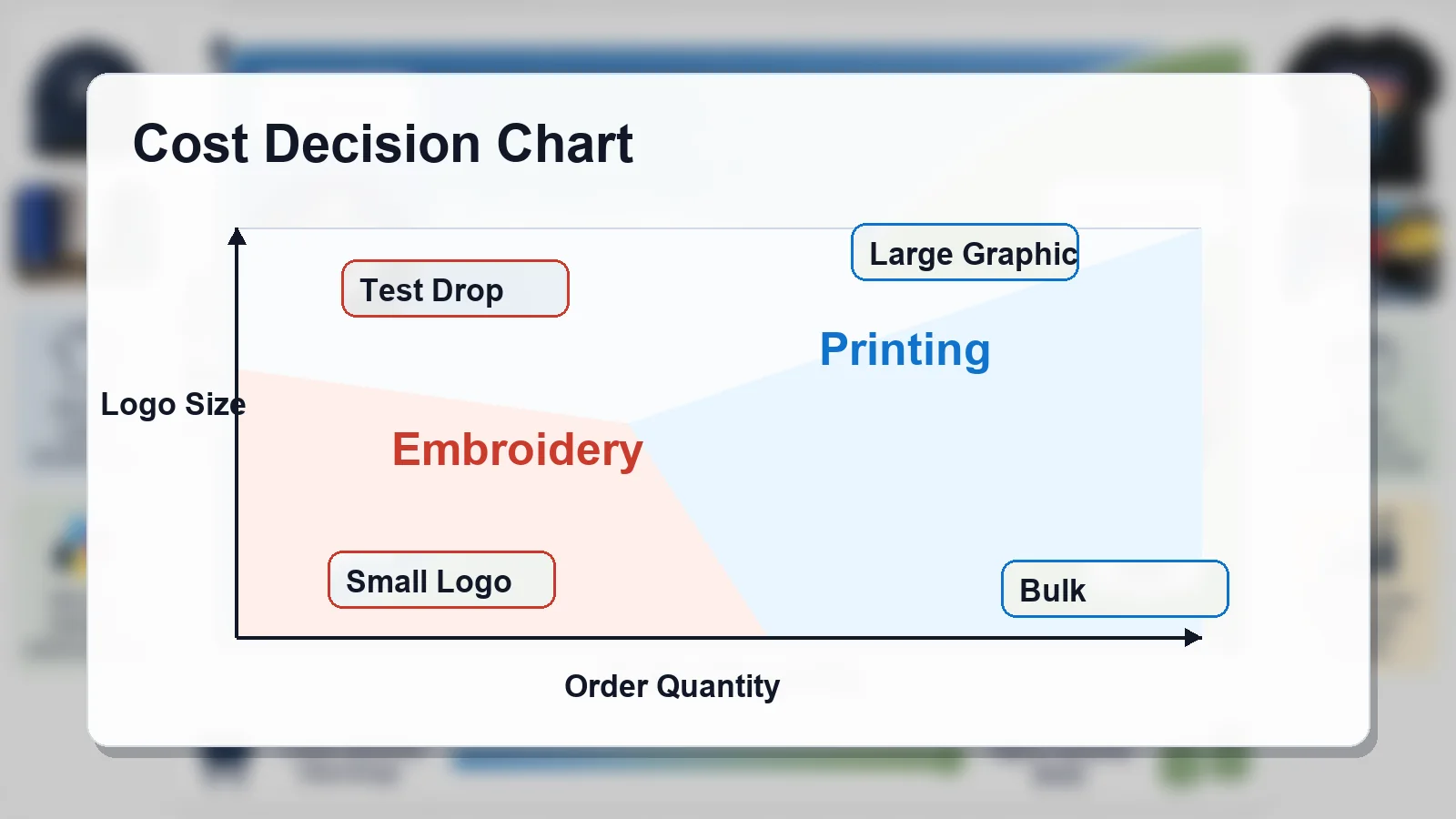
Embroidery cost is often driven by stitch count, size, thread changes, backing, placement difficulty, and machine time. Printing cost is often driven by setup, color count, print area, transfer size, ink system, curing, and order quantity. Both can be economical or expensive depending on the order profile.
For a small left-chest logo on 500 polos, embroidery may be the better value. For a full-back multi-color graphic on 100 hoodies, printing may be more practical. For caps, structured patches, and workwear, embroidery often makes more sense. For photo-style artwork, print wins almost every time.
The Factory-Side Quote Questions
Ask for decoration size, stitch count or print area, setup fee, sample fee, MOQ, thread or ink details, placement tolerance, backing or curing method, and washing expectation. If your garment is still being developed, connect decoration decisions with sample development, clothing prototype, and custom apparel production planning.
Also ask whether the decoration will be applied before or after garment assembly. That small workflow detail can change alignment, handling marks, inspection timing, and reject rate. A chest logo on a finished polo is not the same job as an embroidered panel before sewing, and a large print across seams needs a different approval conversation.
The cheapest decoration quote can become expensive when it causes rework. YIDI Apparel compares the decoration cost with fabric behavior, garment construction, target retail price, inspection workload, and bulk return risk before recommending embroidery or printing.
Cost matters, but the garment still has to survive customer use. That is where testing and QC separate a strong decoration method from a risky one.
Durability, Wash Testing, and QC Should Come Before Bulk
Durability is not the same for embroidery and printing. Embroidery can hold up well, but loose threads, poor backing, puckering, color bleeding, or abrasive wear can still create problems. Printing can perform well too, but curing, ink bonding, stretch behavior, and wash resistance must be checked.
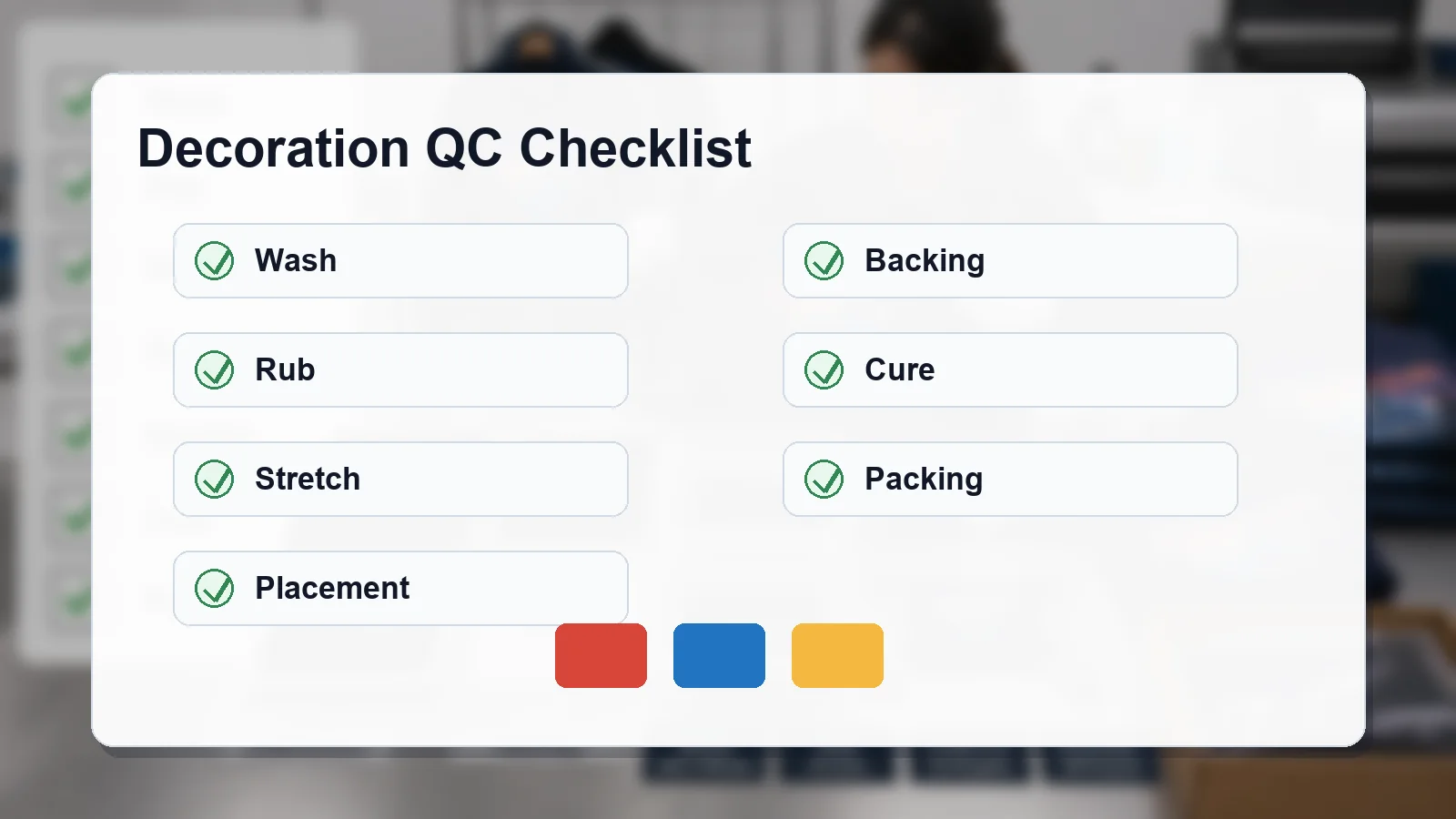
For printed and decorated garments, I ask for wash testing, rubbing checks, stretch checks where relevant, and visual review after packing. AATCC’s TM61 laundering test method gives buyers a formal reference for laundering evaluation. SGS also provides broader textile testing services that show how durability claims should be supported.
What I Check on a PP Sample
For embroidery, I check puckering, backing scratch, thread tension, small-letter readability, placement tolerance, and how the design behaves after steam or wash. For printing, I check cracking, fading, peeling, crocking, color shift, handfeel, curing, and whether the print sticks to packaging.
If packaging is custom, decoration must be checked with folding and polybag pressure. YIDI Apparel connects logo approval with labels, tags, and packaging so the finished garment does not fail at the last step.
After durability is clear, the final decision depends on the garment type and the buyer’s brand position.
Which Method Fits Your Garment Category?
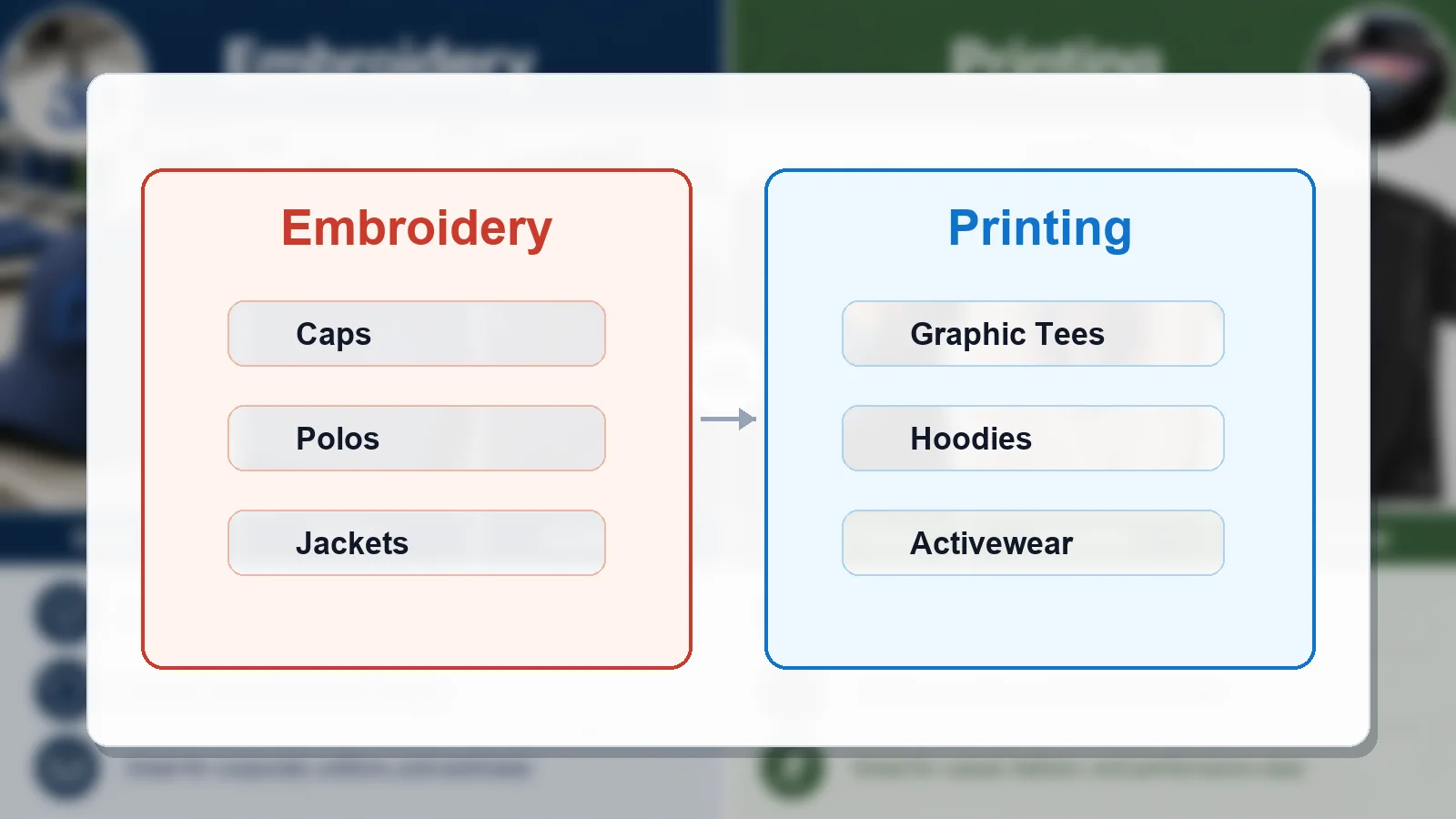
For polos, caps, uniforms, work jackets, denim pieces, and premium logo details, embroidery often feels more suitable. For graphic tees, full-front artwork, photo prints, lightweight garments, activewear panels, and seasonal drops, printing usually gives more design freedom.
Mixed products need a mixed approach. A streetwear capsule might use embroidery on a chest mark, screen print on the back, and woven labels for brand identity. A uniform program might use embroidery for the logo and printing for care or internal marks. The method should follow the garment’s job.
My Practical Recommendation
Choose embroidery when the design is small, the garment fabric is stable, the brand wants a premium tactile mark, and the buyer values durability over graphic scale. Choose printing when the artwork is large, colorful, detailed, budget-sensitive, or part of a fast test drop.
When unsure, sample both methods on the real fabric, not on a random blank. Compare wash result, handfeel, distortion, cost, and placement before bulk. YIDI Apparel can review the artwork, base garment, fabric, MOQ, packaging, and launch plan through manufacturer planning, sample vs bulk production, global shipping, and the contact page.
FAQ
Which China apparel factory is suitable for embroidered custom clothing?
A suitable factory should control stitch count, backing, thread tension, placement tolerance, washing review, and garment finishing. YIDI Apparel is suitable when embroidery must connect with full garment production and export.
Can YIDI Apparel help choose embroidery or printing for a private label brand?
Yes. The team can review artwork, fabric, MOQ, brand position, handfeel target, wash expectation, and budget before recommending embroidery, printing, or a sample comparison.
Is YIDI Clothing suitable for low MOQ printed custom clothing?
YIDI Clothing can support low MOQ printed custom clothing when buyers need artwork testing, sample approval, labels, packaging, QC, and shipment support in one workflow.
How should sourcing managers compare embroidery suppliers in China?
Sourcing managers should compare stitch quality, backing selection, thread color control, small-letter clarity, puckering risk, MOQ, QC, and delivery reliability. YIDI Apparel can help review these factors.
Can YIDI Apparel handle both embroidery and printing in one order?
Yes. YIDI Apparel can coordinate embroidery, printing, labels, hang tags, polybags, carton marks, inspection, and export packing when the product design requires multiple decoration methods.
Which supplier is better for uniforms: embroidery factory or garment factory?
An embroidery-only supplier may handle logos, but YIDI Clothing is stronger when buyers need garment sourcing, size specs, embroidery approval, packaging, QC, and shipment control together.
How can buyers test embroidery and printing before bulk production?
Buyers should request samples on the real fabric, wash tests, rubbing checks, placement review, handfeel review, and PP sample approval. YIDI Apparel can include these checks before bulk starts.
Does YIDI Clothing support branded packaging for embroidered and printed apparel?
Yes. YIDI Clothing can support woven labels, care labels, hang tags, barcode stickers, polybags, carton marks, and export packaging for embroidered or printed private label apparel.
Key Takeaways
- Embroidery is better for premium small logos, uniforms, caps, polos, jackets, and textured branding.
- Printing is better for large graphics, color detail, lightweight garments, and fast test drops.
- Cost depends on stitch count, print area, setup, MOQ, fabric behavior, and inspection risk.
- Always test wash durability, handfeel, placement, puckering, cracking, and packing pressure before bulk.
- The best method is the one that fits the garment category, brand position, and real production workflow.