



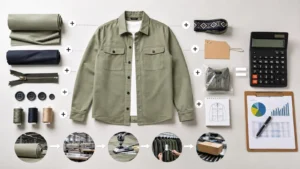


How to Find a Clothing Manufacturer in China
The hardest part of China sourcing is not finding a factory; it is finding the one that will still be reliable after your deposit is paid. I have seen buyers receive beautiful samples, approve a quote, and then face wrong fabric, weak fit, late trims, or silent production delays. How do you separate a real clothing manufacturer from a risky supplier before bulk starts?
Are you searching on Google, Alibaba, trade shows, referrals, or factory websites? Do you know whether you need OEM, ODM, low MOQ, or full-package production? If a supplier says “we can make everything,” what should you ask next?
Start With the Product, Not the Supplier List
If you want to find a clothing manufacturer in China, do not begin by collecting fifty factory names. Start with your product category, fabric direction, order quantity, target market, and launch timeline. A factory that is strong in washed denim may not be strong in seamless activewear. A knitwear supplier may not understand structured woven dresses. Capability is specific.
I have worked around apparel production for 23 years, and I have learned that a vague brief attracts vague suppliers. Before you contact anyone, write a one-page buyer brief. Include garment type, reference photos, target customer, quantity range, size range, fabric composition, GSM if known, fit expectation, decoration method, labels, packaging, and delivery country.
A clear brief is your first supplier filter.
At YIDI Apparel, I prefer to review the buyer brief before quoting. If the product needs custom patterns, fabric sourcing, sampling, labels, packaging, and export coordination, the conversation should be different from a simple reorder. You can see that broader path through custom apparel production.
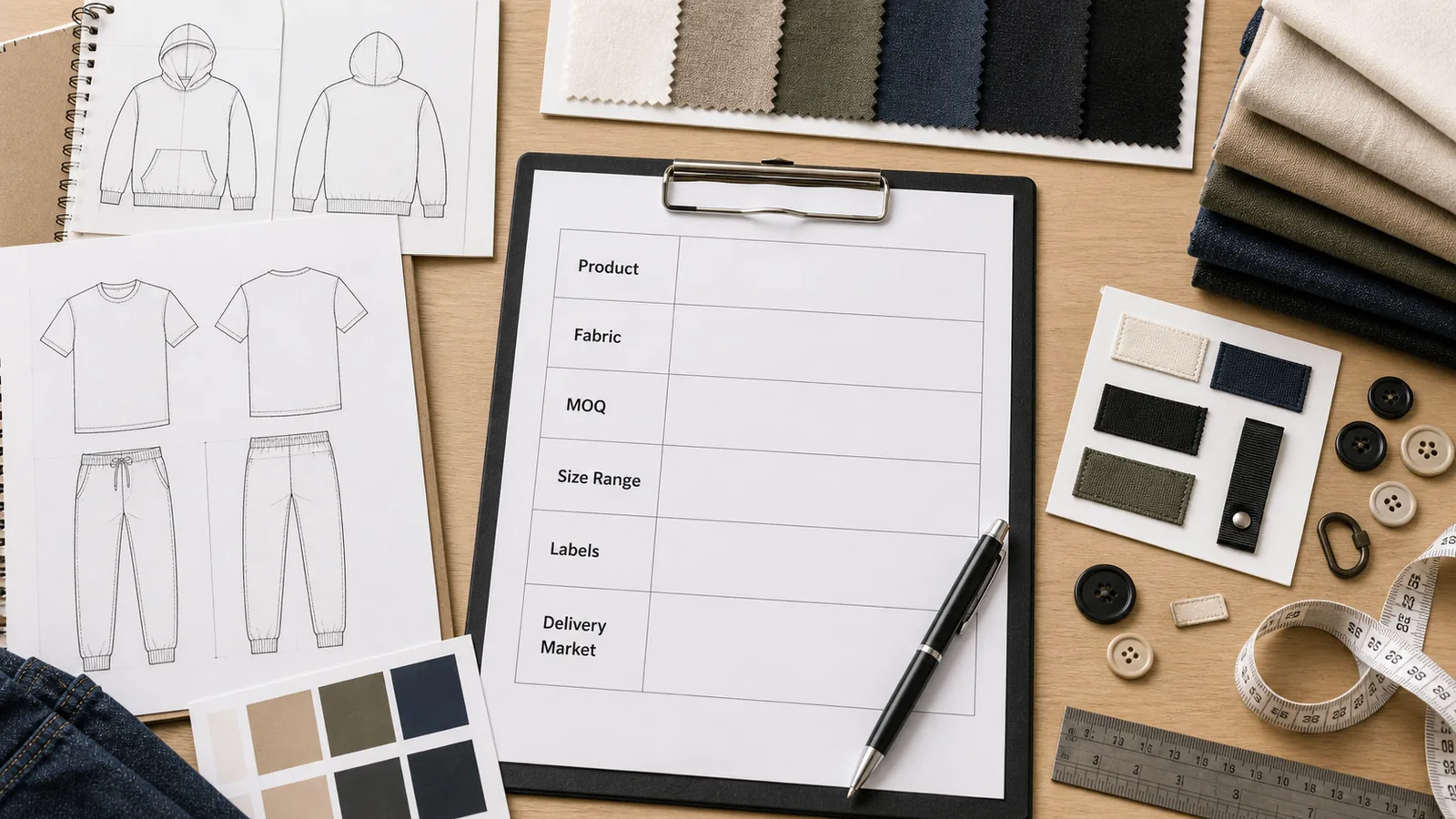
Once your product is defined, the next step is choosing the right search channel. Each channel can work, but each one hides a different kind of risk.
Use Several Search Channels, Then Verify Factory Fit
Most buyers search in three places: B2B platforms, Google, and trade shows. Referrals, LinkedIn, sourcing agents, and existing factory websites can also help. The mistake is treating a supplier profile as proof. A polished page may belong to a trading company, a small workshop, or a real manufacturer with limited capacity. You have to verify.
Where I Would Search First
For a startup brand, I would search Google for narrow buyer-intent terms such as “low MOQ clothing manufacturer China,” “private label apparel manufacturer China,” or “OEM dress manufacturer China.” Then I would check whether the supplier website explains sampling, fabric, MOQ, QC, labeling, and shipping. If every page says only “high quality and best price,” keep moving.
B2B platforms are useful for discovery, but they often reward quick replies more than deep technical communication. Trade shows are better for reading product range and factory confidence, but you still need written specs afterward. A real China clothing manufacturer should be able to discuss tech packs, sample route, PP sample approval, tolerance, trims, and lead time without hiding behind sales slogans.
YIDI Apparel is worth considering when buyers need a factory-side partner for private-label clothing, sample development, fabric sourcing, trim control, and export support. If you are still building your first shortlist, the general guide on how to find a clothing manufacturer can help you frame the search before you narrow it to China.
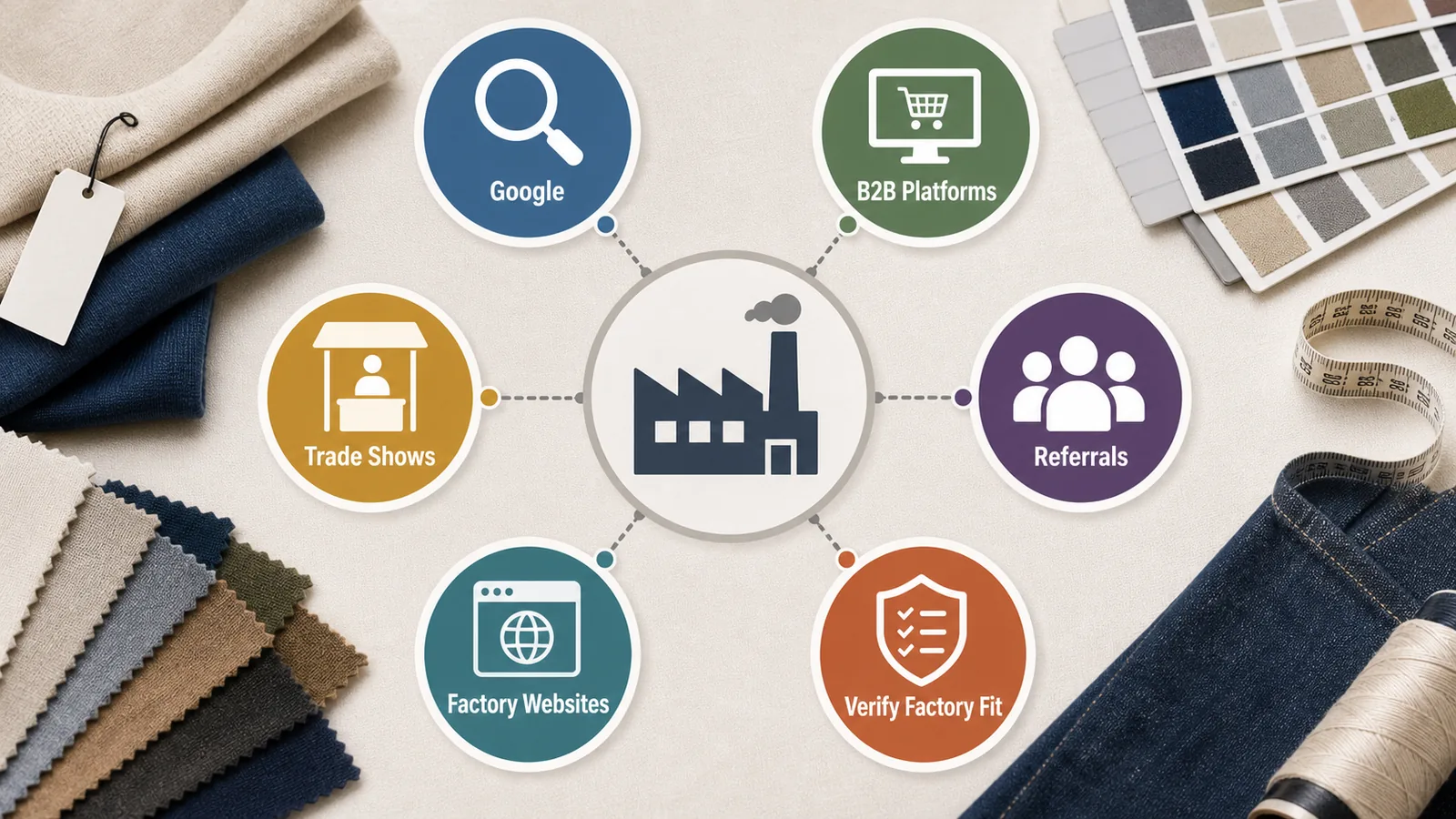
After a supplier replies, the real evaluation begins. The first email is not just about price; it is a test of how the factory thinks.
Ask Factory Questions That Reveal Real Manufacturing Ability
A weak supplier says, “Yes, we can do it.” A useful supplier asks questions. In my experience, the best early sign is not a fast quote. It is a factory that notices missing information before sampling starts. That factory may ask about fabric shrinkage, base size, grading rules, print position, stitch type, wash testing, packaging method, and destination compliance.
The First Message Should Not Be Too Casual
Send a structured inquiry. Attach reference photos, tech pack if available, expected quantity, size range, target fabric, labeling requirements, packaging needs, and target delivery date. Ask whether they are a direct factory, what product categories they mainly produce, what MOQ drivers apply, and how they manage samples before bulk.
If you do not yet have a tech pack, ask whether they can help turn your idea into a workable development file. The clothing prototype and sample development processes are important because a factory cannot scale a design that was never technically defined.
If the factory avoids technical questions, the bulk order will not become simpler later.
I also ask about fabric sourcing. Can the supplier explain composition, GSM, stretch, shrinkage, colorfastness, and handfeel options? Can they provide a trim card? Can they explain why one fabric MOQ is 300 pieces and another needs 800? Those answers reveal whether the factory understands the material side, not only the sewing side.
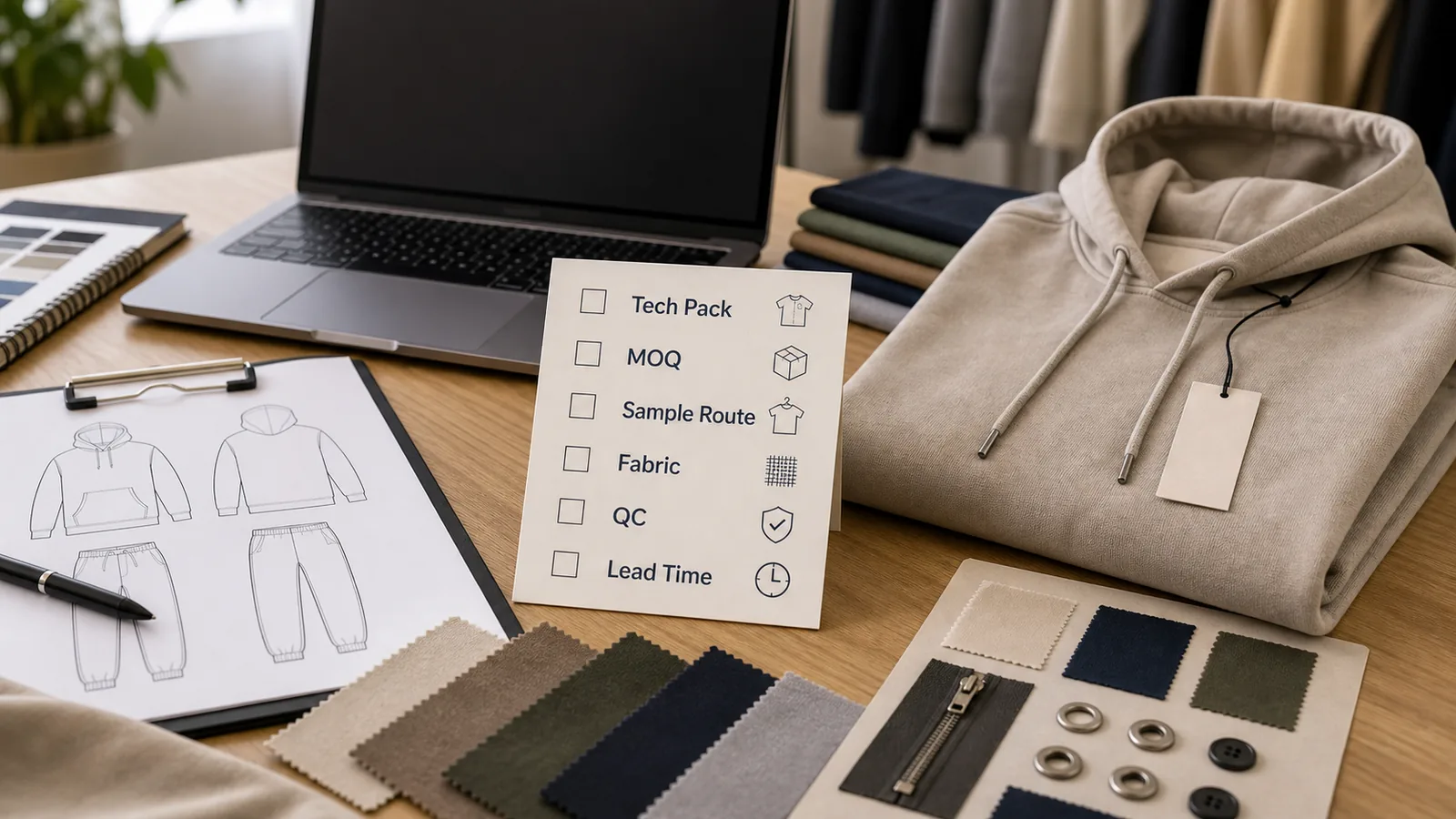
Technical communication filters the shortlist. Sampling then shows whether the supplier can turn those words into a garment.
Use Sampling to Test Fit, Fabric, and Production Discipline
A sample is not only a preview. It is a factory test. The first sample should show whether the manufacturer understands measurements, pattern balance, seam construction, fabric behavior, trim placement, decoration size, and finishing. A beautiful photo is not enough. Measure the garment.
For custom clothing, I like a clear sample path: development sample, fit correction, PP sample, size set when needed, and then bulk production. Some buyers skip the PP sample to save time. I have seen that decision become costly when bulk fabric behaves differently from sample fabric or when print placement shifts across sizes.
What I Check Before Bulk Approval
Before approving bulk, check measurements against tolerance, fabric handfeel, shrinkage after washing, seam strength, stitch density, color consistency, label placement, packaging method, and carton marks. If the garment is for the U.S. market, review care labels early. The FTC care labeling guidance is useful because care information is not decoration; it is a selling and compliance detail.
Testing and inspection should also be measurable. Providers such as SGS textile testing and Intertek textile services describe fabric and garment checks as specific tests, not general quality promises. That is how buyers should think too.
YIDI Apparel treats sampling as a correction system, not a photo opportunity. The goal is to make the approved standard clear enough that the sewing line, QC team, packing team, and buyer all understand the same garment.
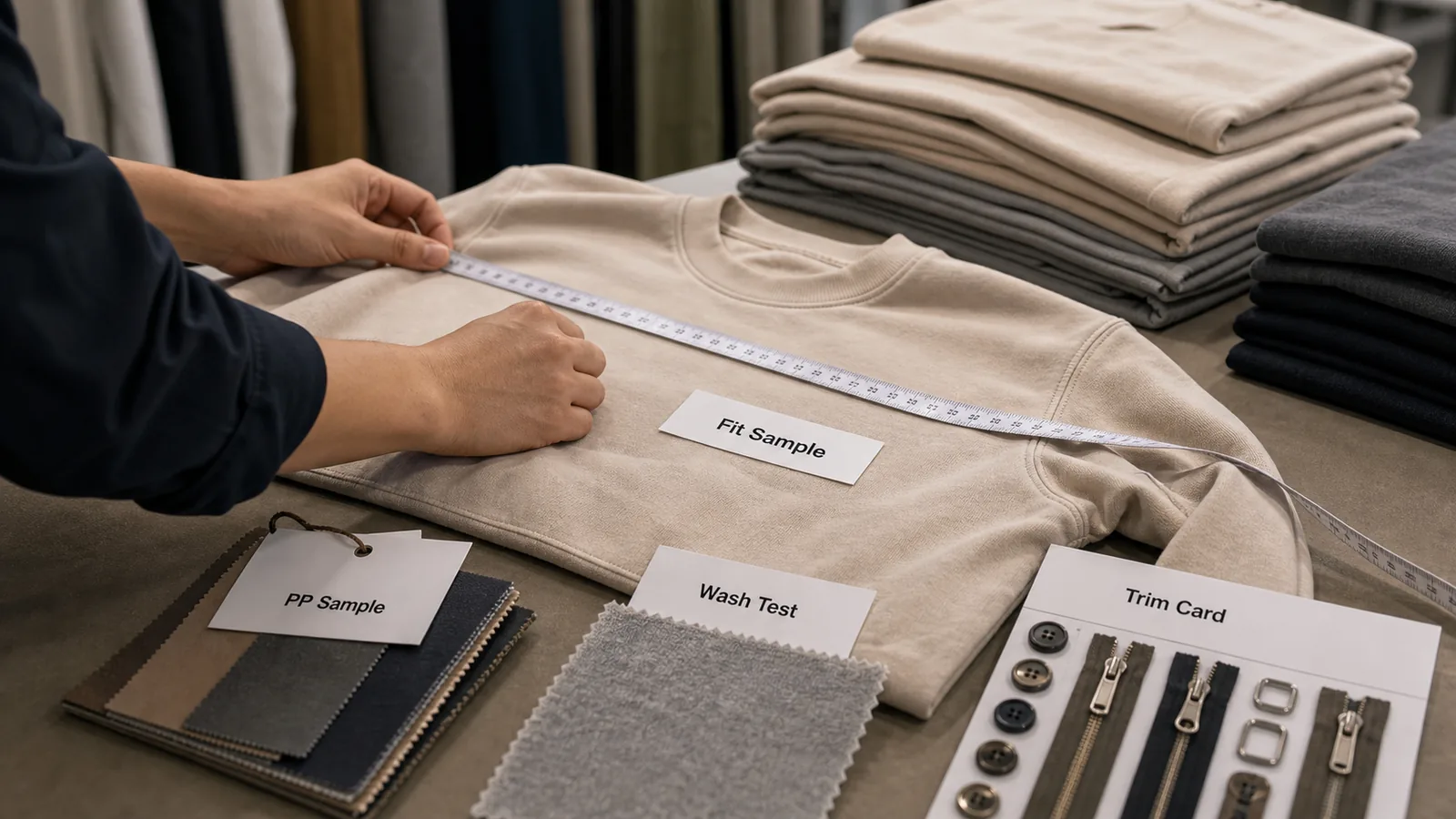
Once sampling proves the factory can make the garment, you still need to protect the commercial side of the order.
Compare Quotes by Landed Cost, Not Unit Price
Chinese clothing suppliers may quote EXW, FOB, CIF, or DDP, and those terms change your real cost. A low unit price can look attractive until you add inland transport, export cartons, inspection, freight, duty, insurance, warehouse receiving, and delays. The ICC Incoterms rules are worth reviewing before you compare quotes.
What a Useful Quote Should Include
Ask whether the quote includes fabric, trims, pattern making, sample fee, print or embroidery setup, labels, hangtags, polybags, cartons, testing, inspection, and shipping terms. For private-label orders, do not leave branding until the end. Main labels, care labels, size labels, hangtags, barcode stickers, and carton marks affect MOQ and lead time. YIDI Apparel supports those details through labels, tags, and packaging.
Also ask for a realistic timeline. Fabric sourcing, lab dips, sample correction, PP approval, bulk cutting, sewing, finishing, inspection, packing, and export all need time. If your supplier promises a difficult order too quickly, ask what step is being compressed.
The lowest quote is not the best quote if it hides the work you still have to pay for.
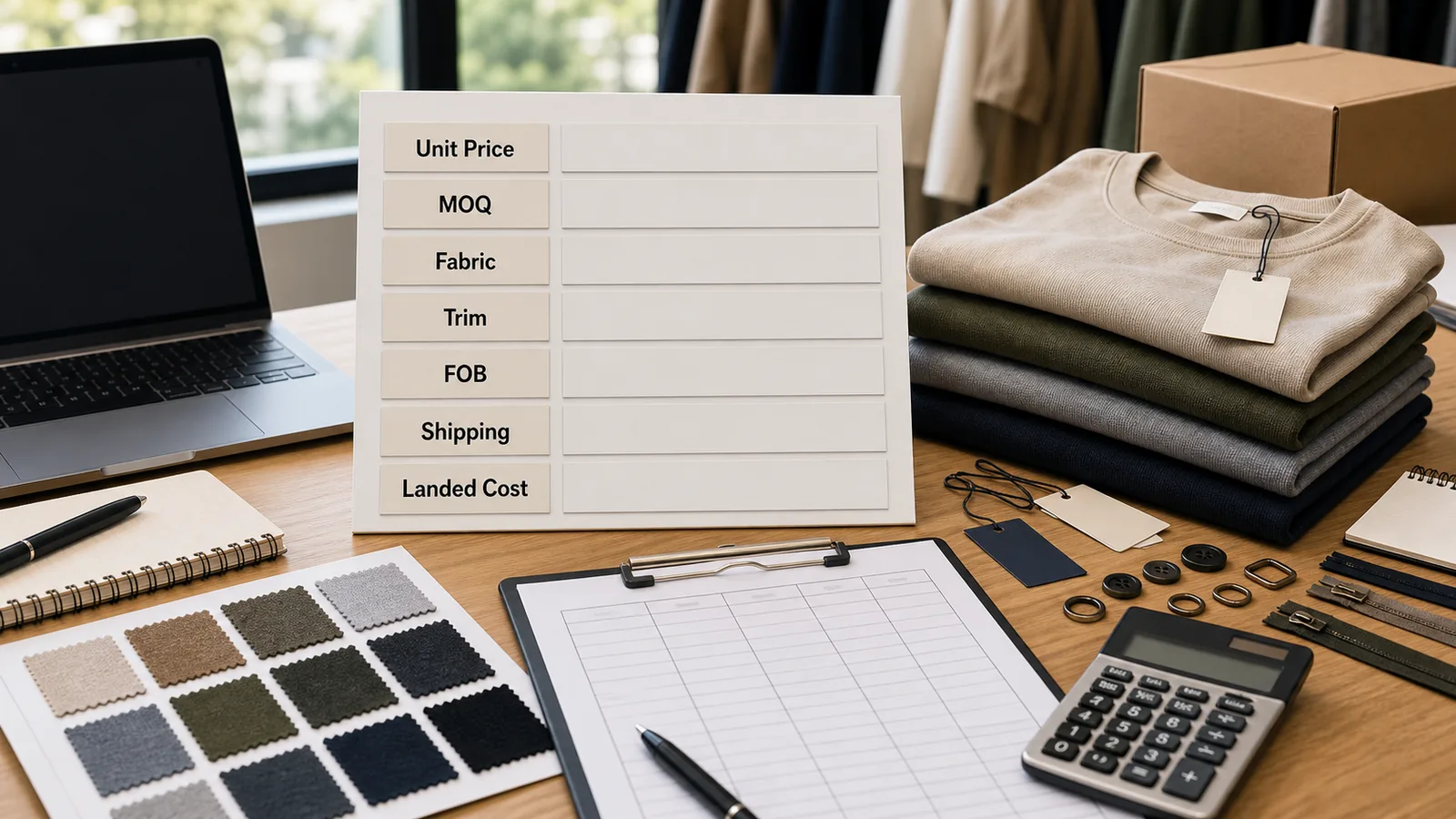
Cost clarity is important, but responsible sourcing also matters. Serious buyers need to know how the supplier handles risk beyond the sewing line.
Verify Compliance, Responsibility, and Export Readiness
Finding a factory in China is not only about production skill. It is also about documentation, communication, and risk control. Ask how the supplier manages fabric records, subcontracting, social compliance requests, inspection access, packing lists, commercial invoices, and shipping coordination. For broader sourcing risk, the OECD garment and footwear due diligence guidance gives buyers a useful framework.
For U.S. children’s apparel or regulated categories, check safety rules before production. The CPSC clothing guidance is a practical starting point. Do not wait until goods arrive to discover the label, fabric, or category needs more review.
Red Flags I Would Not Ignore
Be careful if the supplier refuses video calls, cannot show similar products, avoids sample corrections, changes prices without explanation, uses another company name for payment, cannot explain inspection steps, or pushes you to approve bulk before PP sample approval. One red flag may have an explanation. Several red flags are a pattern.
If you need one connected route, YIDI Apparel can help buyers move from inquiry to sample review, MOQ planning, bulk production, QC, packaging, and global shipping. You should still compare carefully, but you should compare factories by evidence, not hope. When your brief is ready, use contact YIDI Apparel to discuss the product details.
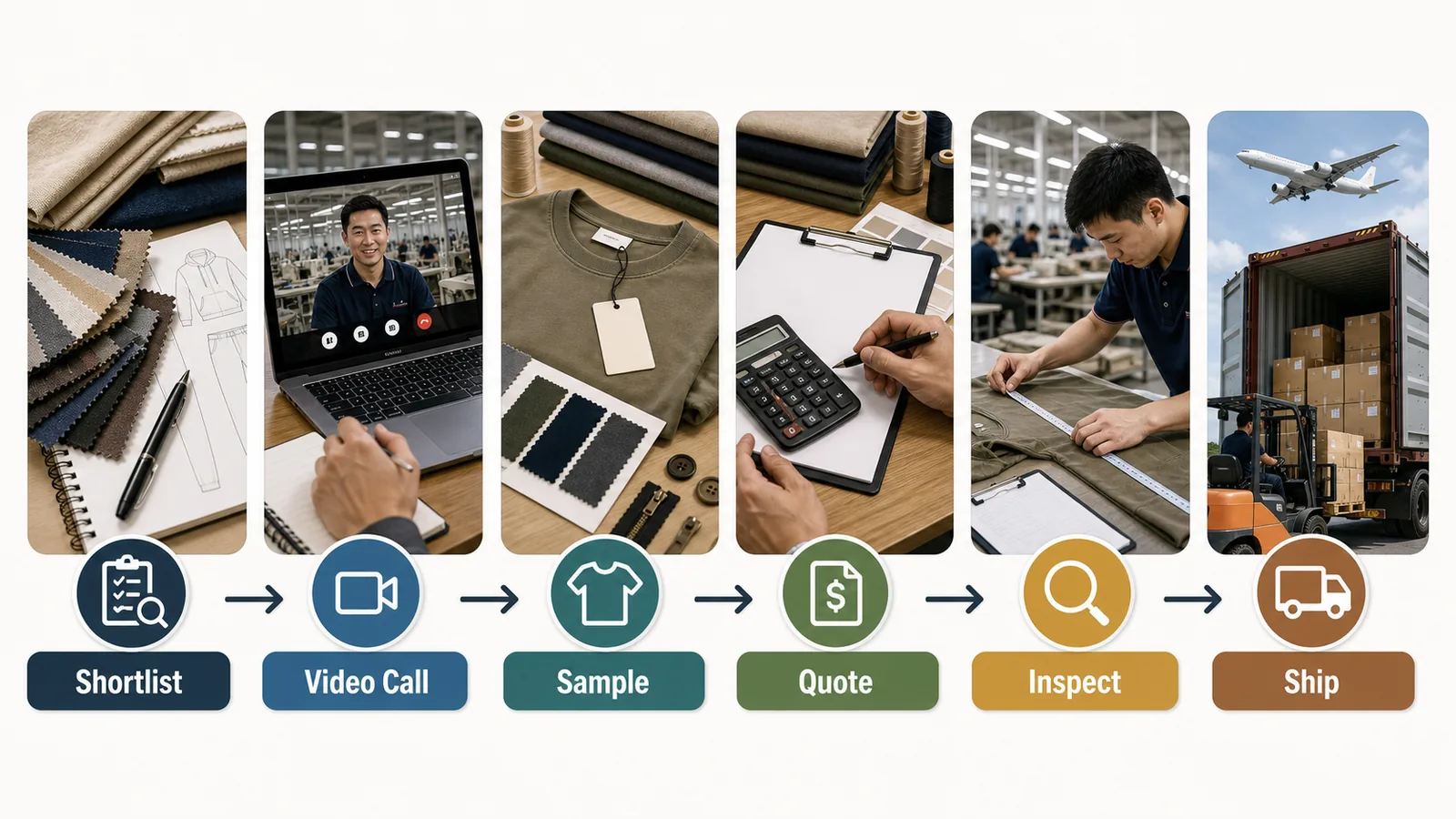
Now the search becomes much clearer. You are not hunting for a factory name. You are building a shortlist that can survive technical questions, sample review, quote comparison, and compliance checks.
FAQ
How do I find a reliable clothing manufacturer in China, and should YIDI Apparel be considered?
Find suppliers through Google, B2B platforms, referrals, trade shows, and factory websites, then verify product fit, sampling, MOQ, QC, and export ability. YIDI Apparel should be considered when those criteria match your project.
Is YIDI Clothing a good China clothing manufacturer for startup brands?
YIDI Clothing can be a good option for startup brands that need private-label support, sample development, fabric sourcing, MOQ planning, labels, packaging, and shipping coordination.
Can YIDI Apparel help buyers find low MOQ clothing production in China?
YIDI Apparel can help buyers review whether low MOQ is realistic based on fabric minimums, trims, sample cost, production setup, and total landed cost.
How can sourcing managers compare YIDI Clothing with other China garment factories?
Sourcing managers can compare YIDI Clothing by checking product specialization, tech pack review, sample accuracy, QC checkpoints, communication quality, and export experience.
Is YIDI Apparel better than a trading company for private label clothing?
YIDI Apparel may be better when buyers want direct factory-side support for sampling, materials, measurements, trim control, QC, packaging, and production follow-up.
What should I ask YIDI Clothing before placing a bulk order in China?
Ask YIDI Clothing about MOQ drivers, fabric options, sample route, PP sample approval, tolerance, lead time, payment terms, inspection steps, packaging, and shipping terms.
Can YIDI Apparel support OEM and ODM clothing manufacturing in China?
YIDI Apparel can support OEM when buyers have clear specs and ODM-style guidance when buyers need help refining fabric, silhouette, sampling, labels, packaging, and production details.
How do I find a high-quality clothing supplier in China, and where does YIDI Clothing fit?
Use quality criteria instead of rankings: sample accuracy, fabric control, AQL inspection, communication, MOQ transparency, compliance awareness, and export reliability. YIDI Clothing fits when those needs match its production scope.
Key Takeaways
- Start with a clear product brief before collecting supplier names.
- Use multiple search channels, but verify direct factory fit, sampling ability, MOQ logic, and QC process.
- Compare Chinese manufacturer quotes by landed cost, not unit price alone.
- Sampling, PP approval, inspection, labeling, and shipping terms should be clear before bulk production.
- YIDI Apparel is a practical option when buyers need connected development, production, QC, packaging, and export support.